August 25, 2026 · 6 min read
Why August Is the Open Month for Patios in NoVA
By Nelson at Kaeler
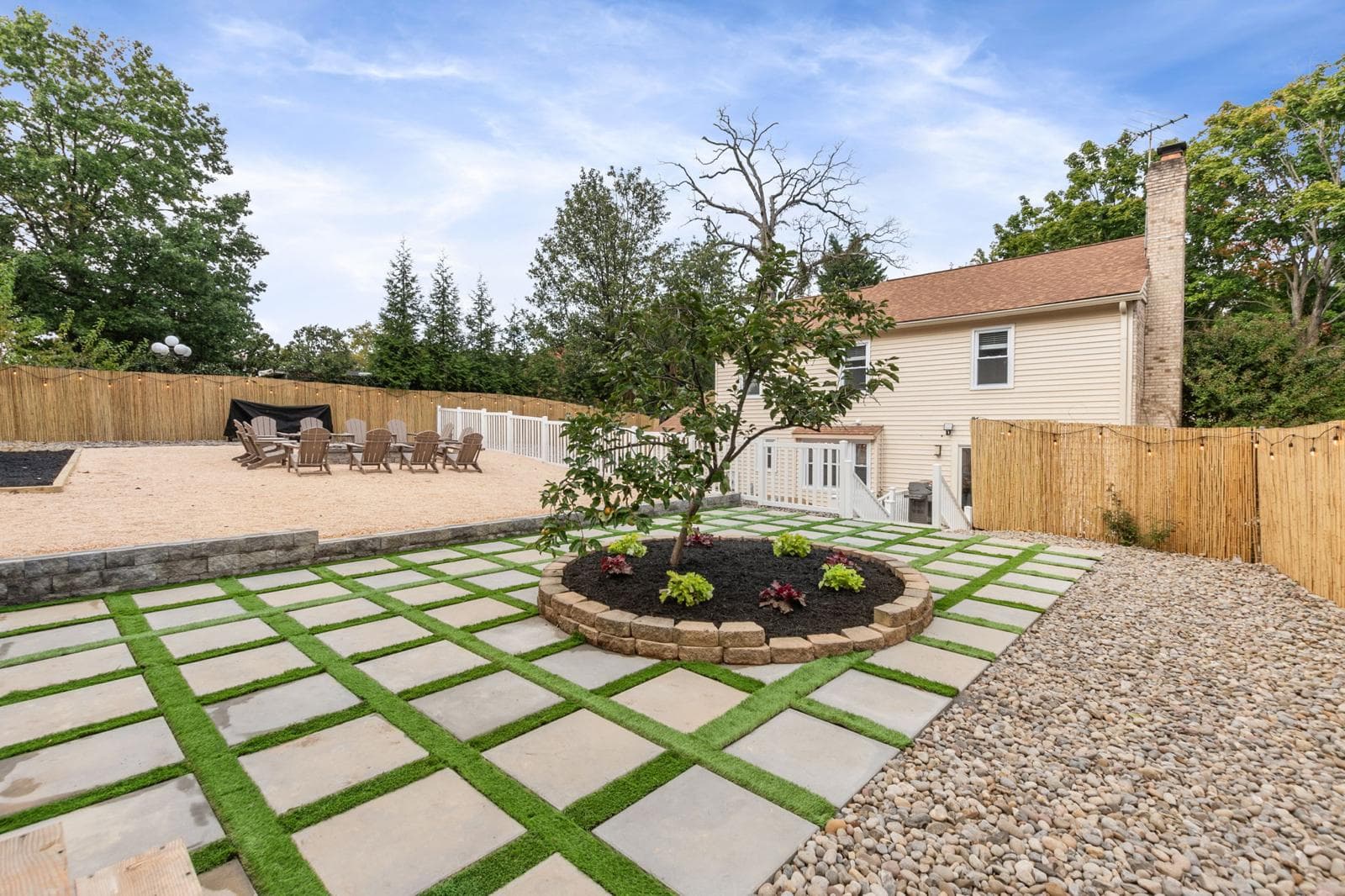
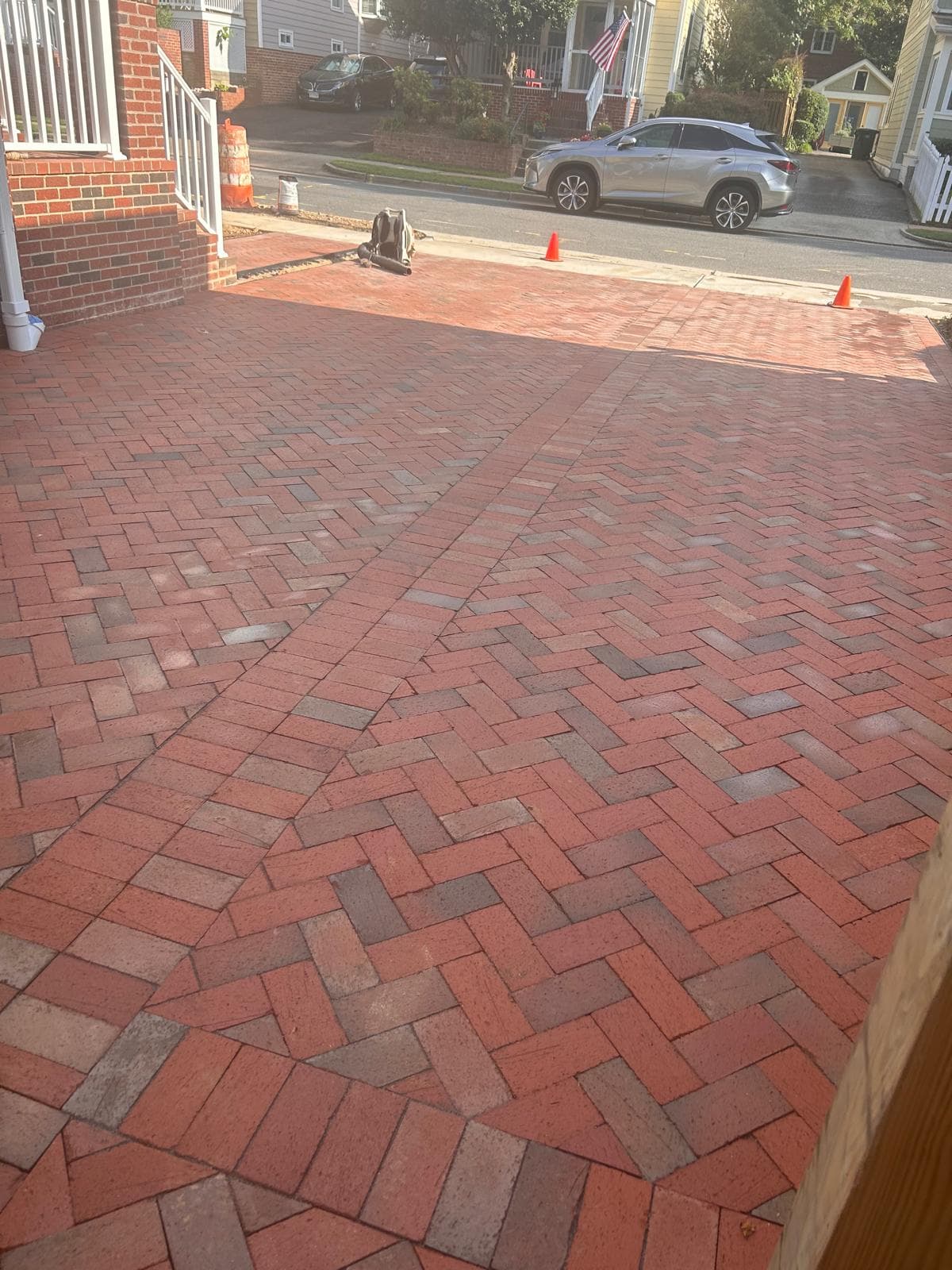
Hardscaping demand in Northern Virginia is seasonal in a way most homeowners never see. Two spikes — spring, when people decide they want the yard for summer, and September, when the weather turns pleasant and everyone books at once. Between them sits August, which is the quietest four weeks of our year.
I am Nelson, owner of Kaeler. This is not a sales pitch dressed up as an article, so I will give you the honest picture, including the two situations where August is the wrong month to build.
What the August difference actually is
It is the calendar. In August a crew can start sooner and stay on your project from first cut to final walkthrough, and that shows in the schedule and in the details.
Why it exists
Two concrete reasons:
Demand comes in two waves. Homeowners book in spring, for the summer, and again in September, when the weather turns pleasant. August sits between the two, so crew calendars have real openings.
September and October are already committed. By late August, most of our fall calendar is booked from the spring pipeline. August is the gap between the spring backlog clearing and the fall work starting — a genuine trough rather than a slow period.
What an August build gets you
- Real crew attention. In peak season a crew may be moving between two or three jobs. In August your project usually gets a crew start to finish, which shows in the details.
- Actual start dates. Spring lead times in NoVA run 5 to 9 weeks. August lead times run 1 to 3.
- Faster fixes. If something needs adjusting after the walkthrough, a crew is available next week rather than in October.
- The patio is usable in September. Built in late August, the patio is ready for the best six weeks of the NoVA outdoor year. Built in September, you are looking at it through a window by the time it settles.
That last point is the one people underweight. September and October in Northern Virginia are the two best months to actually sit outside, and an August build catches both.
The heat question
The obvious objection: is August heat bad for the work?
For paver and wall construction, no. Base compaction, paver setting, and wall building are unaffected by heat — they are affected by rain, and August is not our wettest month. The crew works earlier in the day, which is a scheduling detail rather than a quality one.
Two genuine exceptions:
Poured concrete cures faster in high heat, which reduces strength if it is not managed. A competent crew adjusts the mix and cures it properly, but concrete work is legitimately better in spring or fall.
Polymeric sand needs the joints dry at installation and a dry window afterward to set. In a humid August that sometimes means waiting a day or two for the right weather. It delays a step, not the project.
The two cases where you should wait
Being straight about this: August is not universally the right month.
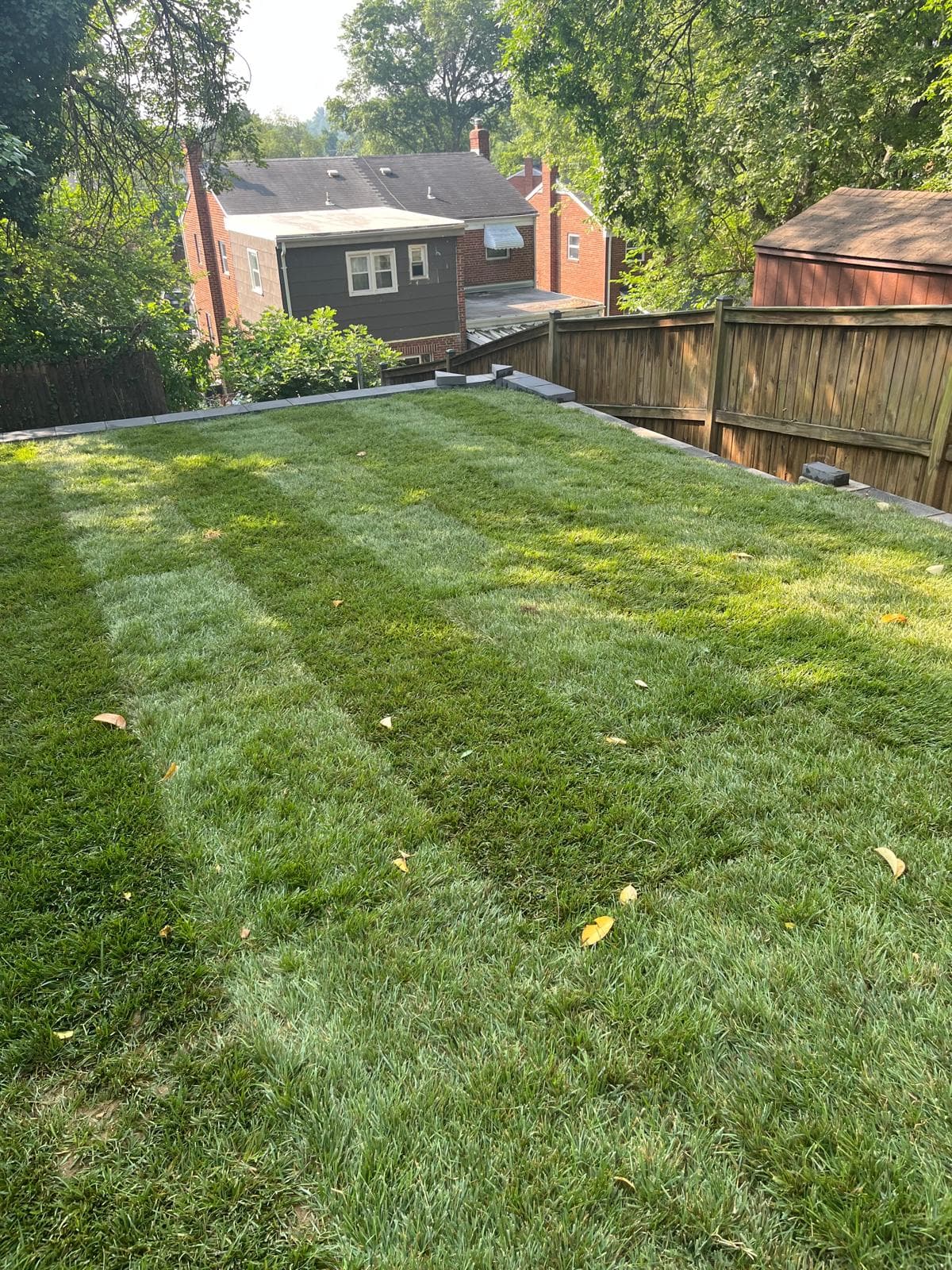
If the project includes lawn restoration. Grass seed put down in August heat generally fails — cool-season turf here germinates well in September, not late summer. If your patio project ends with reseeding the disturbed area, either plan the seeding as a separate September visit or move the whole project. The reasoning is in our aeration and overseeding guide.
If planting is a significant part of the design. New shrubs and trees installed in August need heavy irrigation to survive their first six weeks, and losses are real. Hardscape in August, plant in October — the two do not need to happen in the same visit.
Neither of these argues against building the patio now. They argue for splitting the planting into its own phase, which is usually better sequencing anyway.
How this fits the rest of the year
| Month | Demand | Good for |
|---|---|---|
| Mar – May | Peak | Nothing in particular; you wait in the queue |
| Jun – Jul | High | Getting it done before summer ends |
| Aug | Lowest | Hardscape, walls, patios |
| Sep – Oct | Peak | Best build weather, planting, seeding |
| Nov – Dec | Falling | Walls, drainage, planning for spring |
| Jan – Feb | Lowest | Design and permits, not construction |
The two genuinely underrated windows are August and November. Our piece on booking fall hardscaping in July covers the scheduling logic from the other direction, and the best time of year for patio installation covers the full-year picture.
What to have ready if you move now
Late August scheduling moves quickly, so having these settled shortens the path considerably:
- The area and rough size. Even a pace-counted estimate helps.
- Whether utilities have been marked recently. Miss Utility marking takes a few business days and it is required before excavation.
- HOA status. If your neighbourhood requires architectural review, that timeline usually exceeds the build timeline. Start it first.
- Drainage awareness. If water already stands anywhere in the work area, say so up front — it changes the scope and it is far cheaper to design for than to retrofit. See why drainage comes before the patio.
Frequently asked questions
Why build a patio in August in Northern Virginia?
Because the calendar is open. August is the quiet stretch between the spring and fall waves, so a crew can usually take your project start to finish, and the patio is ready for September and October — the best outdoor weeks of the NoVA year.
Is it too hot to install a paver patio in August?
No. Base compaction, paver setting, and wall construction are unaffected by heat — crews simply start earlier. The two heat-sensitive items are poured concrete, which cures too fast without management, and polymeric sand, which needs a dry window to set properly.
How fast can a patio be built in late August?
Lead times drop to roughly 1 to 3 weeks in August, versus 5 to 9 weeks at spring peak. The build itself is unchanged: three to seven working days for a typical paver patio, depending on size and access.
Should I wait until fall for better weather?
Only if the project includes seeding or significant planting, both of which genuinely belong in September and October. For hardscape itself, building in August means the patio is finished in time to use through the best outdoor weeks of the NoVA year.
Will an August-built patio settle differently?
No. Settlement is determined by base depth, compaction, and drainage, not by the month of installation. A patio built on a proper base in August behaves identically to one built in May.
How should I compare patio quotes?
Get a written scope rather than a headline number. Compare base depth, drainage, and edge restraint line by line between quotes — a lower number that comes with a thinner scope is not a better deal. Our patio mistakes guide lists exactly what to compare.
Book while the calendar is open
The August window closes as the fall schedule fills, usually by the first week of September.
Book a free site visit and we will walk the area, scope it properly, and give you a written quote with a real start date within 48 hours.
We install patios across Springfield, Annandale, Burke, Fairfax, and the rest of the 18 NoVA cities we serve.